Individualized Recreation Therapy Services
Recreation Therapy is a professional health service that uses purposeful, individualized engagement to support emotional, cognitive, physical, spiritual, and social well-being.
At Cherished Moments, Recreation Therapy is delivered by a Certified Therapeutic Recreation Specialist (CTRS®) and guided by assessment, structured planning, and ongoing evaluation.
The goal is not simply activity. The goal is meaningful participation in everyday life.
Individualized, Goal-Directed Support for Meaningful Participation

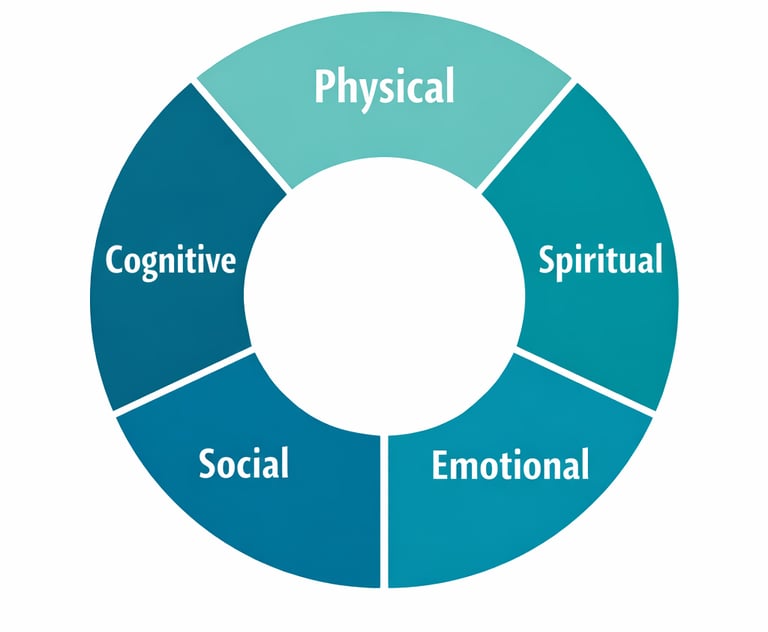
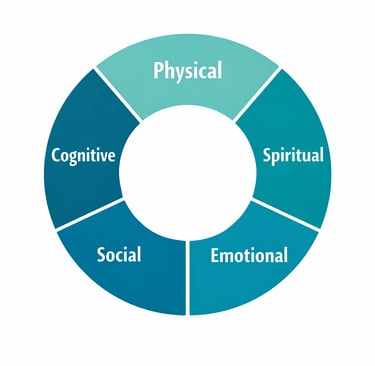
Recreation Therapy supports health across five interconnected areas:
SocialStrengthening relationships, reducing isolation, and fostering belonging.
EmotionalBuilding confidence, supporting resilience, and encouraging positive coping.
CognitivePromoting mental stimulation, memory support, problem-solving, and skill maintenance.
PhysicalEncouraging mobility, strength, coordination, and functional participation.
SpiritualSupporting meaning, identity, personal values, and connection to what brings purpose.
These domains are not treated separately. They are integrated through purposeful engagement tailored to each individual.
The Five Domains of Whole-Person Wellness




What Recreation Therapy Supports
Recreation Therapy is purposeful and outcome-focused, it creates opportunities to:
Build confidence and independence
Strengthen social connection and belonging
Support emotional and cognitive well-being
Enhance participation in everyday life
Reduce isolation and increase community engagement
At Cherished Moments, we support individuals and families through a structured therapeutic process that includes assessment, planning, purposeful implementation, and regular evaluation of progress. This ensures each experience is meaningful and contributes to well-being.
The Recreation Therapy Process
Every service follows a structured and professional process.
Assessment We explore personal history, interests, abilities, current challenges, and desired outcomes
Individualized Plan A goal-directed plan is developed to support meaningful participation and measurable progress.
Implementation Purposeful activities and experiences are delivered and adapted to ensure success, safety, and engagement
Evaluation Progress is reviewed regularly and plans are adjusted as needed
This process ensures every session has intention and direction.
Step 1: Complimentary Consultation
We begin with a brief consultation to understand your needs, goals, and current supports.
This allows us to determine whether our services are the right fit and recommend an appropriate starting plan.
Step 2: Comprehensive Recreation Therapy Assessment
A structured assessment allows us to identify:
Meaningful leisure history
Current strengths and abilities
Barriers to participation
Short- and long-term goals
This ensures services are individualized and outcome-focused.


Step 3: Individualized Plan Development
Following assessment, we develop a structured recreation therapy plan outlining:
Therapeutic goals
Recommended session frequency
Activity focus areas
Progress monitoring strategies
Recreation Therapy Initial Steps



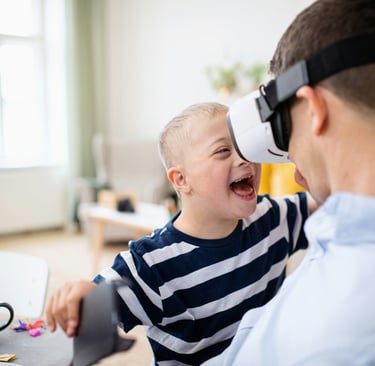
Across the Lifespan

Recreation Therapy may benefit individuals who are experiencing:
Social withdrawal or isolation
Reduced confidence after illness or injury
Cognitive changes or memory concerns
Decreased physical engagement
Life transitions or loss of routine
Questions of purpose or identity
Reduced independence in community participation
Support is individualized and responsive to each person’s strengths, preferences, culture, values, and goals.
While companion visits focus primarily on social presence, Recreation Therapy is structured, assessment-guided, and goal-directed.
Each visit is designed to support measurable outcomes in areas such as confidence, engagement, independence, meaning, and overall well-being.
How This Differs from Companion Support
Recreation Therapy is inclusive and adaptable. Services are available for:
Older adults
Individuals living with memory changes
People with disabilities or chronic health conditions
Those recovering from illness or hospitalization
Neurodiverse individuals
Adults navigating mental health challenges
Recreation Therapy supports the whole person at every stage of life.
Getting Started
The first step is a consultation to understand your needs and determine whether Recreation Therapy is the right fit.
From there, we begin with assessment and develop a personalized plan aligned with your goals.
Book a Consultation →


Frequently Asked Questions
What is Recreation Therapy?
Recreation Therapy is a professional health service delivered by trained specialists. It uses individualized, goal-directed activities and experiences to support overall well-being.
Sessions are designed with intention and purpose to improve quality of life through meaningful participation, connection, and personal growth.
How is Recreation Therapy different from companionship or home care?
Companionship focuses primarily on supervision or social visits.
Recreation Therapy uses assessment, planning, and therapeutic strategies to create structured, purposeful engagement that supports measurable outcomes such as improved mood, confidence, independence, and social connection.
Every visit has a clear therapeutic intention.
Who can benefit from Recreation Therapy?
Recreation Therapy is inclusive and adaptable. It benefits individuals of all ages and abilities, including:
Older adults
People living with memory changes or dementia
Individuals with disabilities or chronic conditions
Those recovering from illness or injury
Neurodiverse individuals
Adults experiencing anxiety, depression, or isolation
Caregivers seeking respite
Anyone seeking greater connection, purpose, or participation can benefit.
What are the benefits of Recreation Therapy?
Benefits may include:
Increased confidence and self-esteem
Reduced stress, loneliness, and isolation
Stronger social connectionsImproved physical strength and mobility
Enhanced cognitive stimulation
Greater independence in daily life
A stronger sense of joy, purpose, and belonging
Outcomes vary based on individual goals and needs, but the focus is always on improving overall quality of life.
What does a typical visit look like?
Each visit is personalized and guided by individual interests and goals.
Sessions may include conversation, creative activities, movement, games, outings, or community participation. Activities are adapted to match abilities and energy levels to ensure success and enjoyment.
No two visits look the same because every person is unique.
How does the Recreation Therapy process work?
Recreation Therapy follows a structured, professional process:
Assessment
We learn about strengths, interests, preferences, and goals.
Planning
A personalized plan is created to support meaningful outcomes.Implementation
Purposeful activities and experiences are delivered and adapted as needed.Evaluation
Progress is reviewed regularly to ensure continued benefit.
This process ensures every session is intentional and aligned with personal goals.
Is Recreation Therapy only for seniors?
No. Recreation Therapy supports individuals across the lifespan.
While many clients are older adults, services are equally beneficial for younger adults, individuals with disabilities, neurodiverse individuals, and anyone navigating life changes or seeking greater engagement.
Why is Recreation Therapy considered holistic?
Recreation Therapy supports the whole person. It recognizes that health includes emotional, cognitive, physical, and social well-being.
By addressing all aspects of life through meaningful engagement, Recreation Therapy promotes balanced, sustainable wellness rather than focusing on only one area of health.
How do I get started?
Getting started is simple. We begin with a conversation to understand your goals and needs, then create a personalized plan that fits your life and schedule.
Get in touch
We’d love to connect with you! Whether you’re exploring services for yourself, a loved one, or simply want to learn more, we’re here to help. Every conversation starts with listening—to your needs, your goals, and your story.